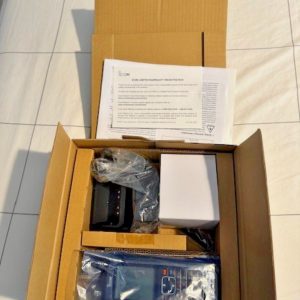
:::writingvariant="document" id="58314" ICOM IC-A25N Handheld NAV/COM Transceiver w/ Bluetooth – Open Box: Reliable NAV/COM Performance The ICOM IC-A25N Handheld NAV/COM Transceiver w/ Bluetooth – Open Box is designed for aviation users seeking a capable portable radio that can support communication and navigation-related operations. An open-box unit can provide excellent commercial value when the radio, battery, antenna, charger, documentation, and included accessories remain complete and in suitable condition. The ICOM IC-A25N Handheld NAV offers a flexible option for private pilots, commercial operators, instructors, aviation students, and support personnel. As an ICOM IC-A25N Aviation Radio, the transceiver may be used during normal flight operations, communication training, airport monitoring, ground coordination, and emergency preparation. A portable ICOM IC-A25N Handheld Radio supports flexible aviation operations because it can remain with the pilot rather than being permanently installed in one aircraft. Choosing a Handheld NAV/COM Aviation Transceiver can support organized flight preparation, backup planning, and portable cockpit communication. Whether the intended use involves a Handheld Aviation Radio, Aviation NAV/COM Radio, Pilot Handheld Radio, or Aircraft Communication Radio, dependable battery and antenna performance remain important. The handheld format makes the unit relevant to buyers comparing Emergency Aviation Radio, Backup Aircraft Radio, ICOM Pilot Radio, and portable navigation communication equipment.
Understanding the ICOM IC-A25N Handheld NAV/COM Transceiver
The ICOM IC-A25N is designed to provide aviation communication and navigation-related functionality in a portable enclosure suitable for cockpit, ramp, hangar, training, and emergency use. Pilots often select a feature-rich handheld radio because it supports communication needs without requiring permanent installation or aircraft modification. A handheld radio can provide valuable support, but performance may depend on antenna position, aircraft structure, terrain, distance, interference, battery condition, and operating environment. A backup radio provides greater value when the pilot has already practiced frequency selection, volume adjustment, navigation functions, Bluetooth setup, and battery management.Choosing the ICOM IC-A25N Handheld NAV
An ICOM IC-A25N Handheld NAV may help pilots monitor frequencies, organize flight-related information, and maintain portable communication capability. Students may practice menu navigation, frequency entry, memory organization, display interpretation, and accessory setup in a controlled setting. Navigation features should support rather than replace required pilot preparation, approved navigation equipment, current charts, and appropriate operational judgment. A complete preflight review can confirm that the radio is charged, configured, accessible, and ready to support the planned operation.Using the ICOM IC-A25N Aviation Radio
An ICOM IC-A25N Aviation Radio can serve pilots who need portable communication for flight operations, aircraft delivery, training, airport coordination, or emergency preparedness. Aircraft sales organizations may keep handheld radios available during demonstrations, repositioning, delivery preparation, and customer familiarization. A complete written inventory helps purchasers compare the open-box price with the cost of replacing missing accessories separately. Testing should occur in a lawful and appropriate manner without creating unauthorized transmissions or interfering with aviation communications.Portable Benefits of the ICOM IC-A25N Handheld Radio
Portable operation can be valuable to users who fly several airplane types or who do not control the installed equipment available in every cockpit. Responsible storage preserves physical condition and improves the likelihood that the radio will function correctly when needed. Preflight preparation may include charging, accessory inspection, Bluetooth pairing, memory review, antenna attachment, and volume adjustment. Careful handling allows a portable aviation radio to remain a dependable part of the pilot’s equipment inventory.Handheld NAV/COM Aviation Transceiver Benefits
A NAV/COM transceiver can support normal operations, training, backup planning, aircraft delivery, and selected ground activities. Commercial value depends on condition, package completeness, included equipment, seller support, and the cost of any missing accessories. A brief function check can identify weak battery performance, loose accessories, damaged connectors, or configuration problems before departure. After use, the device should be cleaned gently, charged as appropriate, disconnected from unnecessary accessories, and returned to protected storage.Handheld Aviation Radio Applications
General aviation users may carry a portable radio during training flights, cross-country operations, maintenance, aircraft repositioning, and airport events. Pilots should avoid assuming that an unused radio stored for years will operate correctly without battery care and periodic testing. A handheld radio should be evaluated in the aircraft and environment where it will normally be used. Professional radio discipline includes listening carefully, transmitting clearly, using appropriate terminology, and keeping messages relevant.Aviation NAV/COM Radio Applications
An integrated aviation radio can provide a convenient secondary tool during flight planning, cockpit preparation, and selected in-flight operations. A portable radio should support cockpit management rather than add unnecessary workload. Pilots should maintain current charts, navigation planning, weather awareness, and suitable avionics for the flight being conducted. Volume and squelch should be adjusted appropriately while avoiding unnecessary distraction.Pilot Handheld Radio Applications
A portable radio can remain with the pilot when changing aircraft, allowing consistent access to a familiar communication device. The device should remain accessible to the pilot without becoming a loose object or interfering with cockpit controls. Pilots can include the handheld in periodic proficiency exercises without making unauthorized or unnecessary transmissions. Responsible power management is central to maintaining a dependable Pilot Handheld Radio.Choosing an Aircraft Communication Radio
An Aircraft Communication Radio supports communication between pilots, air traffic services, other aircraft, flight instructors, and authorized ground personnel. Pilots should listen before transmitting, speak clearly, keep messages relevant, and verify that the correct frequency is selected. Users should establish realistic expectations by testing the radio in normal conditions rather than assuming identical range to panel equipment. Maintaining physical and electronic condition supports dependable Aircraft Communication Radio performance.Maintaining a Portable Aviation Transceiver
A compact transceiver may remain available during electrical shutdowns, maintenance events, panel upgrades, or aircraft storage. Charging equipment should be identified clearly and kept with the correct radio and battery system. Users should understand how to disconnect or change the wireless connection if audio is routed incorrectly during operation. Pilots should avoid troubleshooting complicated pairing issues during high-workload phases of flight.Aviation Communication Device for Professional Use
A professional handheld radio may serve private pilots differently from flight schools, maintenance shops, airport staff, or commercial operators. Transparent condition information allows the purchaser to judge whether the price reflects the package accurately. Organized equipment management helps ensure that the radio remains available and serviceable for the next user. A radio configured for one headset or training environment may need adjustment before being issued for another application.Maintaining a Handheld Aircraft Radio
A Handheld Aircraft Radio can provide useful communication capability both inside the cockpit and around the aircraft during maintenance, preflight, towing, fueling, or operational preparation. Pilots may prepare frequencies and settings more info before entering the cockpit, reducing setup workload after engine start. A handheld radio should not be placed on an unstable surface where turbulence or maneuvering could send it across the cockpit. After ground or cockpit use, the radio should be checked for dirt, moisture, fuel residue, oil, impact damage, and accessory wear.Choosing an Aviation Navigation Radio
The IC-A25N may appeal to pilots who want more than communication capability from their handheld flight-bag radio. Pilots should confirm which navigation functions are available, how they operate, and what limitations apply before relying on them. Navigation information should be cross-checked with current aviation references and suitable cockpit equipment for the planned operation. Regular checks should confirm that stored information, settings, battery status, and display performance remain suitable for use.ICOM Pilot Radio Applications
Pilots may choose an ICOM Pilot Radio because they want one familiar handheld device for training, travel, cockpit backup, and ground operations. Even a well-regarded radio should be tested for power, audio, charging, display, controls, battery condition, and physical damage. Businesses may value durability, accessory replacement, consistent training, and the ability to assign one radio across several users. Periodic practice ensures that the user remains confident with essential functions as time passes.Using an Emergency Aviation Radio
Emergency value depends on the radio being charged, accessible, configured, and familiar to the pilot before a problem occurs. The pilot should understand how portable-radio range may differ from normal aircraft communication equipment. Pilots should evaluate whether the radio can be heard clearly in the noise environment of their aircraft. The radio should be tested periodically without making unauthorized transmissions or interfering with operational frequencies.Backup Aircraft Radio Applications
A portable radio may also support communication when an aircraft is on the ground with its electrical system disconnected or undergoing avionics maintenance. A dependable backup radio is the result of consistent preparation rather than the assumption that unused equipment remains ready. The device should be placed where it can be retrieved quickly without interfering with flight controls or becoming a loose object. Backup planning should also consider how the aircraft will be flown, navigated, and managed while the pilot is using the portable radio.Buying an Open-Box ICOM IC-A25N
Buyers should review the radio body for scratches, cracks, missing labels, damaged controls, loose components, or wear around frequently handled areas. Transparent answers allow the buyer to distinguish a nearly unused open-box product from a lightly used or incomplete package. Functional testing should include power-on behavior, charging, control response, display operation, speaker audio, microphone function where appropriately tested, and accessory recognition. Remote transactions should use secure payment, documented terms, careful packaging, shipment tracking, and clear inspection or return conditions.Maintaining a Portable NAV/COM Transceiver
The radio should be inspected according to usage frequency, storage duration, operating environment, and the importance of its backup role. Maintenance should be completed before the radio is needed for an important flight or emergency role.- Check for cracks, loose parts, damaged buttons, display concerns, weak battery performance, antenna damage, charging problems, and missing accessories.
- Confirm that paired accessories, headset connections, stored information, display settings, antenna attachment, and power level are suitable for the planned operation.
- Record any missing component, operating concern, battery issue, or required service before returning the radio to backup status.